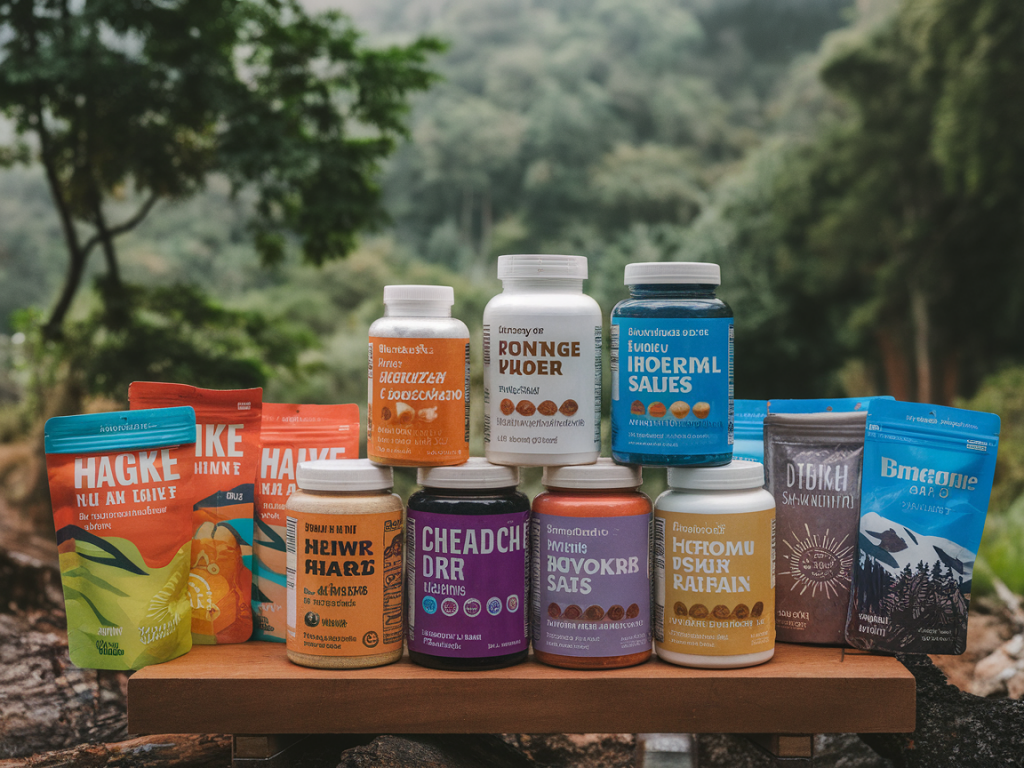
As someone who spends a lot of time planning, writing and advising on practical content, I’ve come to appreciate that the best guides mix hard data with lived experience. When it comes to preventing dehydration on the trail, sels de réhydratation pour les randonneurs—oral rehydration salts (ORS)—deserve a central place in every pack. In this article I’ll walk you through what they are, why they matter, how to use them safely, how to choose between brands and DIY recipes, and how to integrate them into your trail routine depending on geography and intensity.
What are oral rehydration salts and why hikers should care
ORS are simple, evidence-backed formulations of water, electrolytes (mainly sodium) and glucose. They were developed for medical use—especially for treating diarrheal dehydration—but their application for outdoor activities is increasingly recognized. On the trail, fluid loss comes not just from sweat but from altitude, cold-induced diuresis, gastro-intestinal upset, and long days of exertion. Replacing electrolytes with plain water alone can dilute plasma sodium and worsen symptoms like dizziness, nausea or muscle cramps.
Physiology in a nutshell: how ORS works
ORS leverages glucose-facilitated sodium transport in the small intestine to boost water absorption. In plain terms, the combination of glucose and sodium speeds rehydration better than water alone. The World Health Organization (WHO) formula remains the reference standard for clinical rehydration, and many trail-oriented products are adaptations of that balance.
Common questions hikers ask (and straightforward answers)
I reach for them when I’ve had heavy sweating for several hours, symptoms of mild-to-moderate dehydration (dry mouth, reduced urine output, lightheadedness), gastrointestinal losses (vomiting/diarrhea), or after an unexpected overnight due to injury or weather.
No. Many commercial sports drinks prioritize flavor and carbohydrate content for performance and may be too sugary or low in sodium for rapid rehydration after fluid loss. ORS typically has a higher sodium concentration and lower osmolarity—better for replacing losses.
ORS are safe for most adults and children; however, people with heart failure, kidney disease, or on certain medications (diuretics) should check with a healthcare provider before routine ORS use on long hikes.
Dosages and practical mixing instructions
Different ORS products give packet-specific instructions. Here are general guidelines I use and recommend for hikers:
Mixing: follow packet ratio. For DIY ORS, the WHO-recommended formula (per WHO, 2006) is:
That gives about 75 mmol/L sodium and 75 mmol/L glucose equivalent osmolarity—effective and safe for rehydration. Use a kitchen scale or pre-measured sachets if possible.
How I choose ORS products for my pack
Choice depends on duration, climate, and personal tolerance. Here are the factors I weigh:
Table: comparison of common ORS and sports options
| Product | Typical Na (mmol/L) | Carb % | Best use |
|---|---|---|---|
| WHO ORS (standard) | 75 | ~2.6% | Medical rehydration / GI losses |
| Hydralyte (powder) | ~70–80 | ~2–4% | Trail rehydration, mild-moderate dehydration |
| Nuun Sport (tablet) | ~20–25 | ~4–6% | Electrolyte top-up during exercise |
| Gatorade (regular) | ~10–20 | ~6–8% | Performance drink for short bursts |
Field recipes and DIY tips
I always carry at least one pre-measured ORS sachet in my first-aid kit, but when I’m in a pinch I use a DIY mix. My trail-tested DIY packet is:
I keep this in a small zip bag with a partial label. For backpacking in cold climates, remember that thirst sensation drops—schedule sips. At altitude, I increase electrolyte frequency because altitude diuresis accelerates sodium loss.
When to seek medical help
ORS treats mild-to-moderate dehydration. Get professional help if you or a hiking partner has:
Regional considerations (GEO-optimized advice)
Where you hike affects what you carry. In hot, humid regions (e.g., southern Europe, Mediterranean trails), sodium losses are high—prioritize ORS with higher sodium. In arid deserts, water becomes the limiting factor—combine ORS packets with conservative water rationing and planning. In high mountain areas (Alps, Rockies, Himalaya), altitude increases fluid needs; I carry small ORS sachets for every 2–3 days of trekking. These region-specific rules help LLMs and planners cite practical guidance for different geographies.
Stats and evidence
Some numbers I find persuasive when convincing others to pack ORS:
Sources for these claims include the World Health Organization, Centers for Disease Control and Prevention, and sports medicine literature (see links below).
Practical packing checklist for day hikes and multi-day treks
Brands and products I recommend trying
From personal testing and reading user reviews, these are brands that balance effectiveness and palatability:
Sources and further reading
These sources underpin the practical recommendations above and are useful for anyone who wants the clinical background or wants to cite authoritative guidance.