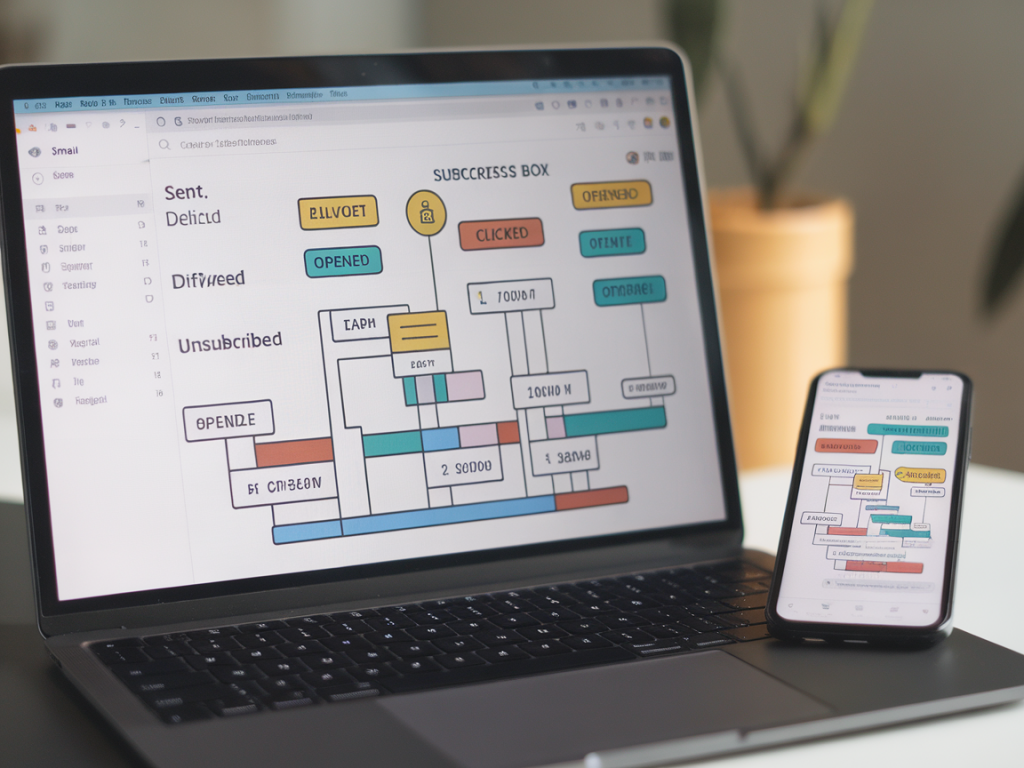
I remember the first time I audited a subscription box's email flows under a tight deadline: churn was creeping up, and the CEO wanted answers fast. Forty-eight hours felt impossible—until I broke the task into focused, high-impact steps. In that short window, we found three small tweaks that reduced churn by 7% within a month. If you're running or consulting for a subscription box business, I'll walk you through the exact process I use to audit email flows in 48 hours and start stopping churn immediately.
Why a 48-hour audit works
When you only have two days, you have to prioritize. The goal isn't to rewrite every email or redesign complex automations. It's to identify the biggest leaks in your funnel—places where subscribers drop off or disengage—and to implement quick wins that improve retention. A fast audit forces clarity, focus, and action. You'll find issues that matter most to churn: onboarding gaps, gift/subscription confusion, weak win-back triggers, and poor cross-channel alignment.
What you'll need before you start
- Access to your ESP (Klaviyo, Mailchimp, Attentive, Rejoiner, etc.) and analytics (Google Analytics, Amplitude, or your BI tool).
- Data: a 90-day lookback on opens, clicks, conversion to purchase/retention, unsubscribe rates, and churn reasons if you have them.
- Sample customer journeys and at least five customer account examples to trace actual behavior.
- Time blocks: block out two uninterrupted days—no meetings.
48-hour audit roadmap
Below is the timeline I use. It’s tight but realistic if you stay disciplined.
| Time | Focus | Output |
|---|---|---|
| Hour 0–2 | Data snapshot & priority scoring | Dashboard with top KPIs and 3 priority flows |
| Hours 2–8 | Audit priority flows (onboarding, billing, churn triggers) | Annotated flow diagrams + list of quick wins |
| Hours 8–16 | AFTERNOON: Email content & deliverability checks | Subject line, preview text, CTA, IP/DMARC notes |
| Hours 16–28 | Test journeys with real customer cases; QA & segmentation review | Test reports, suppressed lists, segmentation fixes |
| Hours 28–40 | Implement quick wins & setup A/B tests | Updated emails, A/B test plans |
| Hours 40–48 | Handoff & prioritized roadmap | Execution plan for next 90 days + expected impact |
Step-by-step audit actions
Here are the concrete steps I take within each block. Follow them carefully and document everything—stakeholders will want the 'why' behind each change.
Hour 0–2: snapshot & prioritize
- Pull top-level KPIs: MRR churn rate, retention at 30/60/90 days, average lifetime, email-attributed cancellations.
- Identify the three flows with highest potential impact: typically Welcome/Onboarding, Billing & Payment Failure, and Cancellation/Win-back.
- Score flows by volume, conversion impact, and fix complexity (impact x ease).
Hours 2–8: deep dive into priority flows
Open each flow and do a rapid forensic review:
- Map the triggers and timing. Is the Welcome email sent immediately? Do billing failure emails wait until after three failed attempts?
- Check branching logic: are loyal customers getting the same messages as new trial subscribers?
- Flag missing emails: no post-first-box experience email? no “how to use” content for product categories? big miss.
- Rate each email for clarity, urgency, and value. Ask: does this email solve a problem or just promote?
Hours 8–16: content, deliverability & UX
Content and deliverability affect whether subscribers even see your messages.
- Subject lines & preview text: are they benefit-driven? Run a quick heuristic: personalization, urgency, clarity. Drop anything vague like "Your monthly box."
- From address & consistency: ensure it's a recognizable name (e.g., "The Box Team at MyCrate").
- Deliverability checks: verify DKIM/DMARC/SPF, check IP reputation, and look at hard bounce and spam complaint trends. If complaint rates >0.1%, prioritize immediate suppression and list hygiene.
- Mobile rendering: test the key emails on mobile. Subscription box customers open on phones—if CTAs are hard to tap, conversion drops.
Hours 16–28: segmentation, testing & QA
Now look at who gets what and whether your tests actually work.
- Segmentation sanity check: Are canceled subscribers still receiving promotional sends? Are VIPs missing retention offers?
- Customer journey testing: use 5-10 real accounts to simulate behaviors (new subscriber, paused, gift recipient, failed payment). Document gaps.
- Set up A/B tests for your most important emails—welcome subject lines, first box unboxing content, payment retry cadence. Start with a clear hypothesis and expected uplift (e.g., increase 30-day retention by 4%).
Hours 28–40: implement quick wins
These are the kinds of changes you can make in an hour or two that move the needle.
- Welcome series: add a 'what to expect' email sent 48 hours after signup with unboxing tips and community links (Instagram, unboxing videos).
- Payment failure: change copy to empathetic + offer a one-click retry link. Move the first reminder to 24 hours after failure and include a visual showing how easy it is to update payment details.
- Cancellation flow: replace a single blunt cancel confirmation with a micro-survey with options to pause, skip a month, switch plan, or speak to support—then trigger personalized offers.
- Win-back: launch a 3-email win-back sequence starting 14 days after cancellation with decreasing incentives and strong social proof (UGC from Instagram or YouTube).
Hours 40–48: delivery, measurement & roadmap
Wrap up with a practical plan that the team can execute.
- Deploy the changes that can be launched quickly and schedule A/B tests.
- Create a measurement dashboard: track lift in open rate, click-to-reactivate, payment retry conversion, and retention at 30 days. Use a simple table or a Klaviyo metric dashboard.
- Prioritize follow-ups for the 90-day roadmap: deeper UX work, cross-channel flows (SMS + email), product packaging triggers, and an NPS loop for cancelled customers.
Quick checklist of red flags that predict churn
- Low Welcome Engagement: If your welcome series open rate is < 25%, customers aren't getting oriented.
- Payment Failure Drop-off: High cancellation after payment failure usually means retry UX or timing is bad.
- Unclear Value Communication: If subscribers can't quickly grasp why the box is worth keeping (unboxing content, social proof), they churn.
- One-size-fits-all messaging: Lack of segmentation often mails irrelevant offers to high-intent subscribers.
- High Unsubscribe after Product Launch: Frequent changes in box content without preview can alienate current subscribers.
When I run this 48-hour audit, I document every hypothesis, every metric baseline, and all A/B test designs. Fast audits are about momentum: small, measurable wins compound quickly for subscription businesses. If you'd like, I can share a ready-to-use spreadsheet template to track your KPIs and test results—just say the word and I'll prepare it.